

I did not plan any of this.
I did not start with a plan to build Reachloom. I started on Upwork, trying to do good work for one client at a time. Every project taught me something I could carry into the next one, and over time I stopped seeing sales as a list of separate tasks and started seeing the system behind it.
Reachloom came much later. By then, it felt less like starting something new and more like giving a name to the way I had already learned to work.
- Upwork
- Sales development
- AI + Clay
- Reachloom

I learned outbound one client at a time.
I started on Upwork, working hands-on with clients. Early on that meant researching companies, finding decision-makers, and building lists, but it did not stay there. Clients kept me on to run the outreach, handle follow-ups, set appointments, and help turn all of that into real sales conversations.
Because real clients were paying me to solve real problems, I learned fast. Every account was a different market, a different ICP, and a different offer, and I had to make each one work.


Then one project changed how I saw outbound.
One of the projects that changed my direction was Woz U, founded by Apple co-founder Steve Wozniak.
I moved beyond building prospect lists and started working directly on LinkedIn outreach, prospecting, conversations, and appointment setting. For the first time, I was responsible for much more of what happened after the lead was found.
Lead generation had taught me how to find people. Woz U taught me how those people became actual conversations.
Finding the right people
The work no longer stopped at the list.
LinkedIn became the skill I went deepest on.
After that, I went deeper into sales execution on purpose. LinkedIn became my strongest channel, with email close behind. I ran campaigns directly for some clients and supported agencies running them for their own clients.
Every client was different. The same targeting or message could work in one situation and fail in another, so I stopped trusting any single playbook. Repetition across all those accounts is what turned tactics into judgment.
The certifications started catching up with the work.
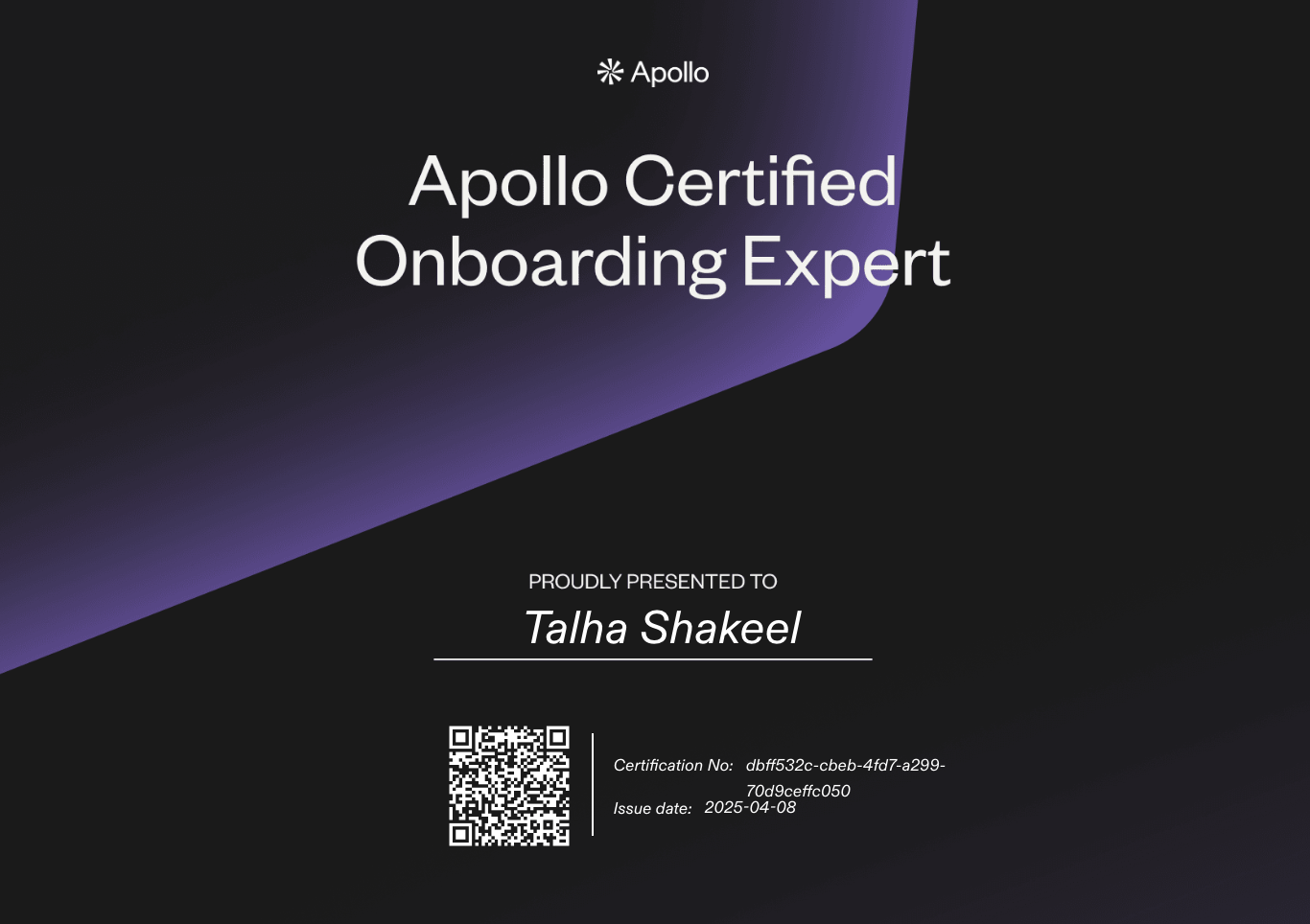
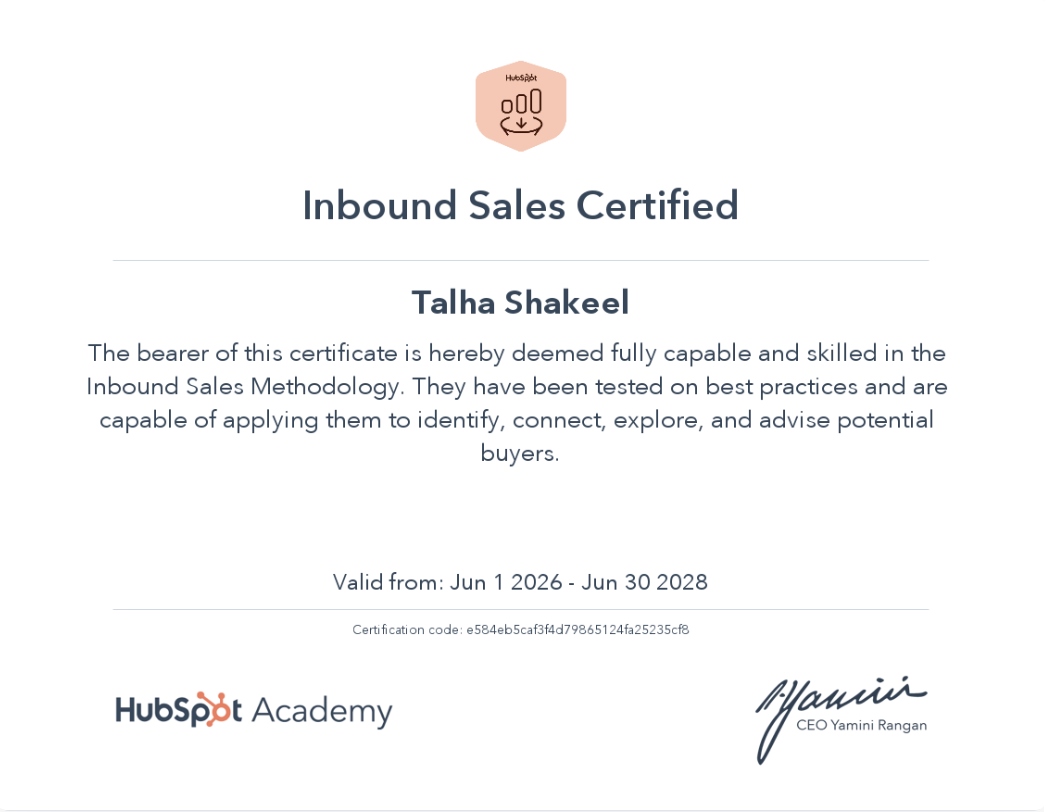
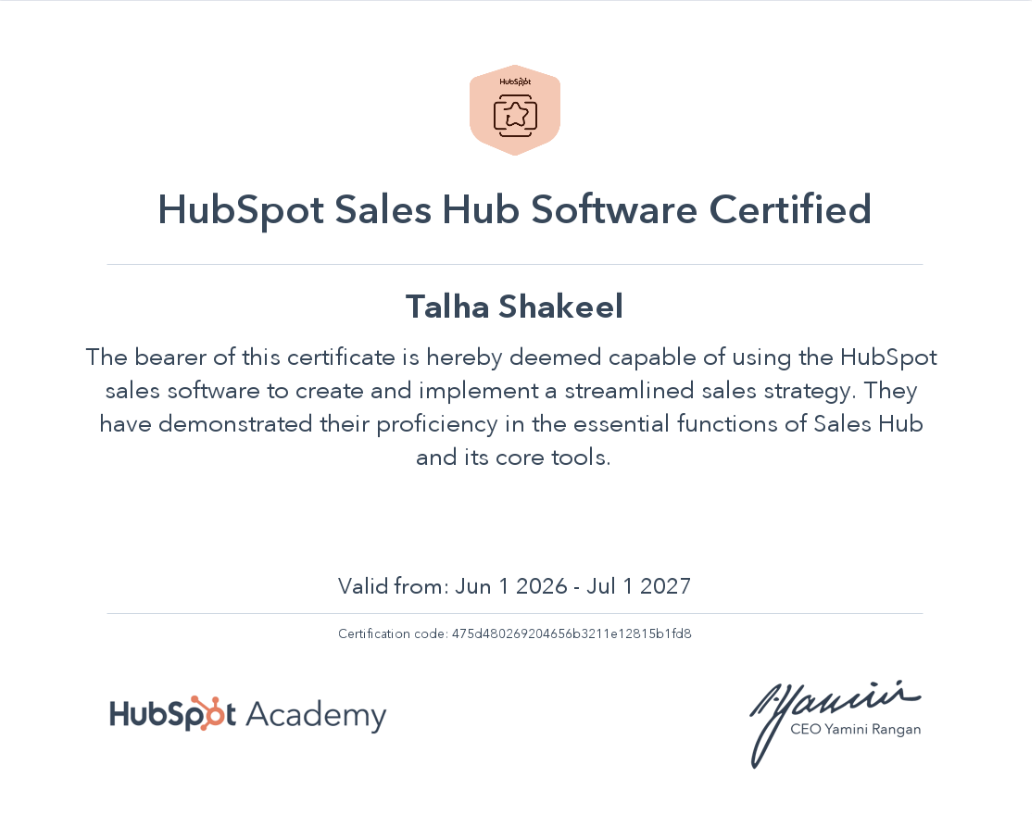
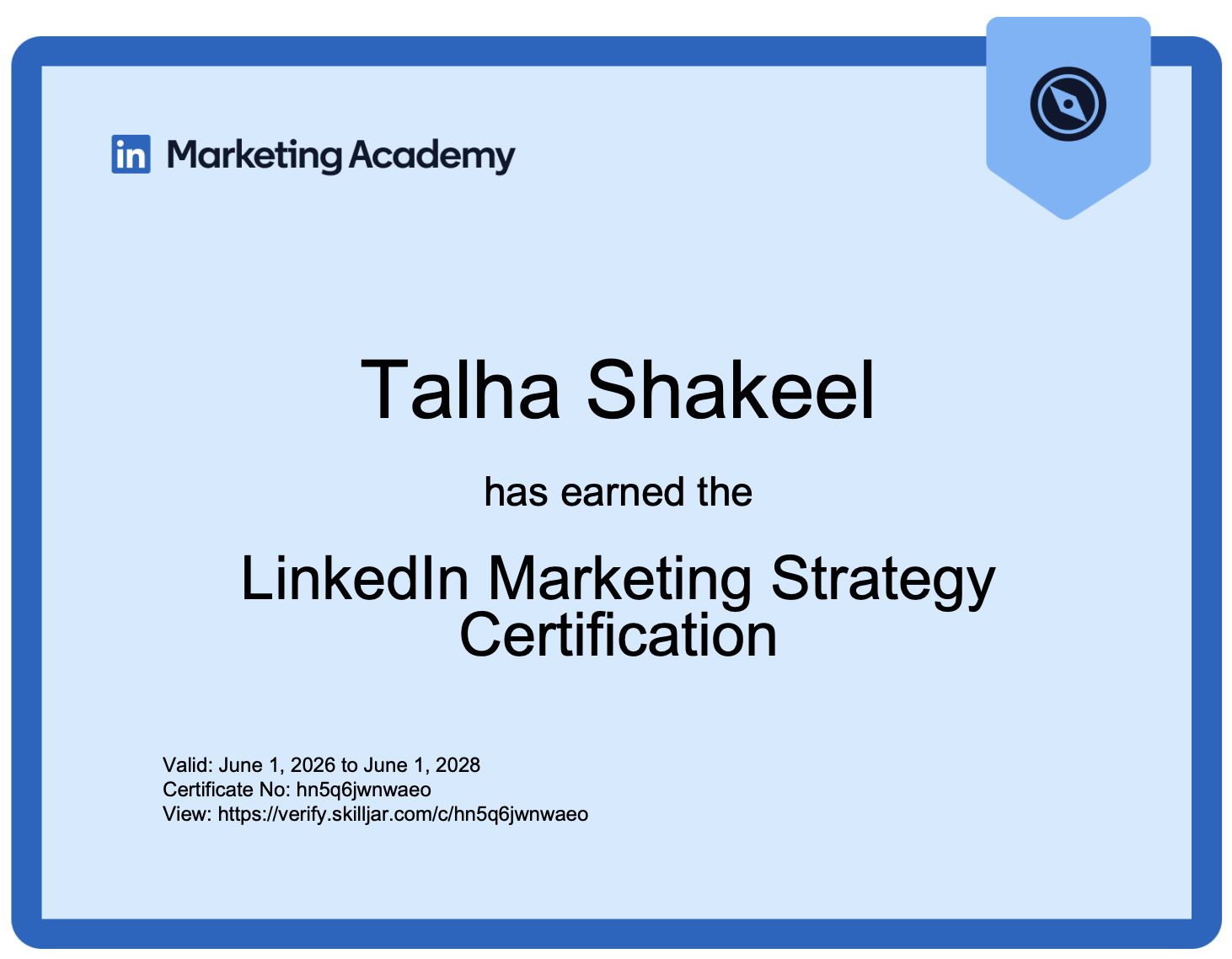
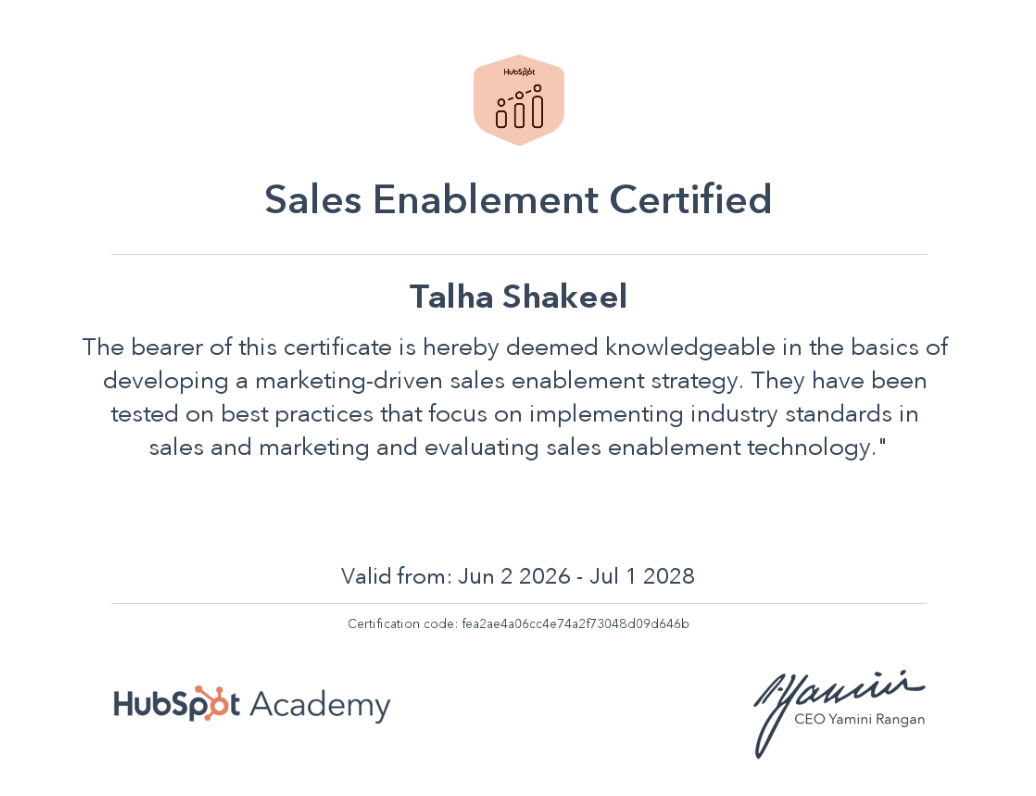
As I got deeper into sales, I kept learning the platforms I was actually using with clients. Along the way, I became Apollo certified, LinkedIn certified, and HubSpot certified.
One moment I was especially proud of was being recognized among the top 10 Apollo experts on Upwork and being featured through Apollo's partner page on Upwork. I had spent years on Upwork doing the work end to end for clients, finding the right people, running the outreach, handling follow-ups, and helping turn that work into actual sales conversations. Getting recognized at that level felt like a pretty meaningful milestone in that journey.
Apollo experts
on Upwork
Featured through Apollo's partner page on Upwork.
Then the AI boom changed the way I worked.
Then the AI boom arrived, and I got curious about how much of the repetitive sales work could actually be done better. I started experimenting with ChatGPT, Claude, Clay, and the new generation of GTM tools as they became useful in the work I was already doing.
Research got faster and workflows got easier to structure. What mattered to me was not replacing the thinking. It was having more leverage to do the thinking properly.
Enterprise sales forced me to think beyond job titles.
Later, I was working with a healthcare AI company selling enterprise solutions, and the old way of prospecting stopped being enough. A company name and a job title did not tell me why that account mattered. I needed to understand what the organization was actually working on, which initiatives were active, who was likely to own them, and whether there was a real reason to start a conversation.
That pushed me much deeper into Clay. I started using it to find initiatives, connect information from different sources, identify the right people, and turn messy account research into something the sales team could actually use. That was when targeting stopped being a list-building problem for me and became a context problem.
A job title was no longer enough.
That is how Reachloom took shape.
By then, I was no longer doing one narrow part of sales. I had spent years moving between research, targeting, LinkedIn, email, systems, conversations, and the problems that appeared when those pieces did not connect.
Reachloom grew out of that experience. It was not me deciding to invent another agency model. It was me realizing that the work I kept being asked to do already had a common thread: build the right system around the sales motion, then stay close enough to the work to know whether it was actually working.
The tools changed. The principle did not.
The tools I use today are very different from the ones I started with, but the part I care about has not changed. Find the real problem. Understand the context. Build what is actually needed. Then stay close enough to the work to see whether it is doing what it was supposed to do.
Start with the problem
Understand the context
Build what is needed
Stay close to the work
Tell me what you are trying to build.
You have seen how I got here. If your sales motion needs more than another tool, let's look at the system behind it.